
How Often Should You Have a Glaucoma Eye Exam If It Runs in Your Family?
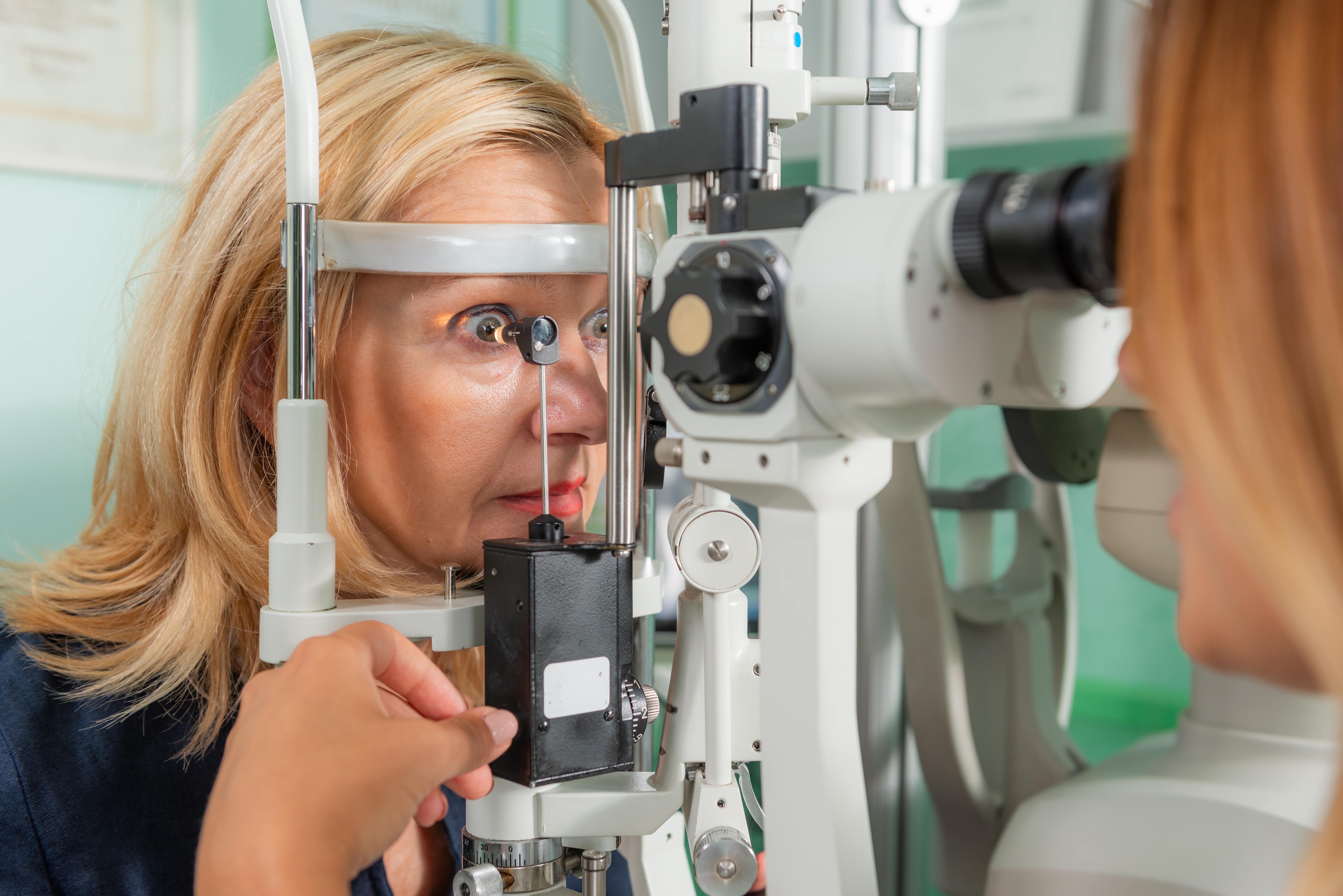
If a parent or sibling has glaucoma, your own eye health deserves closer attention. Glaucoma is a group of eye diseases that can damage the optic nerve, often without noticeable symptoms in the early stages. Because a family history increases your risk, regular glaucoma eye exams can help identify changes before significant vision loss occurs.
How Often Should You Be Checked for Glaucoma?
For people with a family history of glaucoma, the National Eye Institute recommends a comprehensive dilated eye exam every one to two years. However, the right schedule depends on your age, eye pressure, optic nerve health, and other risk factors.
At Vision Source Aldine, we encourage patients in Houston, TX, to share any family history of glaucoma during their eye exams. If we detect concerning changes or consider you a glaucoma suspect, we may recommend more frequent testing and follow-up visits. Patients already diagnosed with glaucoma typically need a separate monitoring schedule based on their condition and treatment.
Why Does Family History Increase Glaucoma Risk?
Glaucoma can run in families. Having a close relative with the condition, particularly a parent or sibling, raises your likelihood of developing it. However, a family history does not mean you will necessarily develop glaucoma.
Other factors may influence your risk, including:
- Age: Glaucoma becomes more common as people get older.
- Elevated eye pressure: Higher pressure can increase the risk of optic nerve damage.
- Medical history: Certain conditions, including diabetes, may affect glaucoma risk.
- Previous eye injuries: Trauma to the eye can contribute to some forms of glaucoma.
- Additional risk factors: Your eye doctor will consider your individual health and examination findings.
Knowing which family members have glaucoma and, if possible, when they were diagnosed can help us assess your risk more accurately.
What Happens During a Glaucoma Eye Exam?
A glaucoma eye exam involves more than checking whether you need glasses. We evaluate the health of the optic nerve and look for signs that glaucoma may be developing.
Depending on your findings, testing may include measuring intraocular pressure, examining the optic nerve through dilated pupils, imaging the optic nerve, and checking your peripheral vision with visual field testing. These assessments help us establish a baseline and identify changes over time.
Importantly, glaucoma can occur even when eye pressure is within the normal range. That is why measuring pressure alone cannot rule out the disease.
Should You Wait Until You Notice Symptoms?
You should not wait until you notice symptoms of glaucoma. The most common form of glaucoma usually develops gradually and may not cause noticeable vision changes until damage has occurred. Lost vision from glaucoma generally cannot be restored, making early detection and ongoing care especially important.
If glaucoma runs in your family and you have not had a recent dilated eye exam, it is worth scheduling one rather than waiting for symptoms. Sudden severe eye pain, redness, headache, nausea, or blurred vision requires immediate medical attention because these symptoms can signal an urgent eye condition.
If glaucoma runs in your family, schedule a comprehensive eye exam with Vision Source Aldine in Houston, TX, by calling (281) 449-7400 to discuss your risk and recommended screening schedule.
Quick Links
Helpful Articles
article_category: restorative
article_category: vision therapy
article_category: contact lenses
article_category: health
article_category: conditions
article_category: eye surgery co-management
article_category: exotic
article_category: cosmetic
article_category: products
article_category: psychiatry
article_category: faqs
article_category: cats
article_category: general
article_category: services
article_category: technology
article_category: dogs
article_category: surgical procedures
article_category: aesthetics
article_category: preventative
article_category: ocular disease management
article_category: eyeglasses
article_category: eye health
article_category: large animal
[]
Flowbite is an open-source library of interactive components built on top of Tailwind CSS including buttons, dropdowns, modals, navbars, and more.
Check out this guide to learn how to get started and start developing websites even faster with components on top of Tailwind CSS.

All Eyecare Services
We offer a wide variety of eye care services to the Houston community. Contact us with any questions about our services.

Keep In Touch
For non-urgent questions or to learn more about our services, contact us today!
Contact Info
- 5164 Aldine Mail Rte Road
Houston, TX 77039 - Phone: (281) 449-7400
- Fax: (281) 449-8020
Hours of Operation
- Monday 9:00am - 6:00pm
- Tuesday 9:00am - 6:00pm
- Wednesday Closed
- Thursday 10:00am - 7:00pm
- Friday 9:00am - 4:00pm
- Saturday 10:00am - 4:00pm
- Sunday Closed
- Monday
- Tuesday
- Wednesday
- Thursday
- Friday
- Saturday
- Sunday
- Monday
- Tuesday
- Wednesday
- Thursday
- Friday
- Saturday
- Sunday
© 2026 Vision Source Aldine. All rights Reserved - Accessibility Statement - Privacy Policy - Sitemap
Managed and Designed by 